Moving back to Kenya after years in Australia is a big decision, and shipping your belongings is one of the biggest jobs in it. BenCal ships household goods from Perth to Mombasa, Nairobi, Nakuru and Eldoret. Plan your move around your selected destination and arrival arrangements. This checklist takes you through it in order.
We ship from Perth to Kenya every month, with customs handled by our team and delivery to the selected destination city. Our team speaks English and Kiswahili, so you and your family at home can talk to us in whichever is easier.
1. Decide what is worth shipping
Before you pack a single box, walk through your home and sort everything into three piles: ship, sell, or give away. A useful test is whether the item would cost more to replace in Kenya than to send. Good candidates for shipping usually include:
- quality furniture you would struggle to replace, such as a solid dining table or a good sofa
- appliances that work well and suit Kenyan power supply, such as fridges, washing machines, microwaves and cookers
- kitchenware, bedding, towels and carpets, which pack well and fill gaps in boxes
- clothes, shoes and personal items
- tools, spare parts and items that are expensive or hard to find at home
Items that are cheap, bulky and easy to buy in Kenya are often better sold here. Old, heavy furniture can cost more to ship than it is worth.
2. Check whether you qualify as a returning resident
Kenya has a concession for citizens who are moving home for good. Kenya Revenue Authority guidance says a Kenyan citizen permanently returning to live in Kenya can import personal and household effects that were in use abroad, and one vehicle owned and used abroad for at least 12 months, free of import duty and taxes, subject to conditions.
A few points from KRA guidance at the time of writing (October 2026) are worth knowing early:
- The concession is for goods you have been using, not new goods bought to take home.
- Your goods generally need to arrive within 90 days of your own arrival, which the Commissioner can extend up to 360 days.
- The vehicle concession can only be used once every four years.
- Other conditions apply, including how long you lived abroad, and KRA's own pages are not entirely consistent on this, so check your situation before you rely on it.
Time your shipment around your flight. Because of the 90-day window, the order matters. Tell us your travel date when you ask for a quote and we will plan the sailing so your goods land within the window, not long before or after you.
3. Keep evidence that your belongings were in use
Customs officers can ask whether goods are genuinely your used household effects. Keep anything that helps show it: receipts and purchase dates, photos of the items in your Australian home, and your Australian rental or utility records. Do not remove all signs of use from appliances or pack brand-new items still in their packaging and describe them as used.
4. Choose sea or air, and shared or full container
For a household move, sea freight is almost always the answer. It costs far less than air and carries furniture and appliances that cannot fly. Many families send a suitcase or two of essentials by air, and the rest of the home by sea. Our guide to choosing between sea and air explains the trade-off.
Then decide between a shared and a full container:
- Shared container. Best for a smaller move: boxes plus a few pieces of furniture. You pay for the space you use. See shared container shipping.
- Full container. Best for a whole household, or a household plus a vehicle. See full container shipping.
Planning your move home?
Send us your inventory and travel date and we will quote the move and plan the sailing.
5. If you are bringing a car, check first
A car is the item most likely to cause problems if you do not check before you commit. Two rules matter most:
- Right-hand drive. Kenya requires imported vehicles to be right-hand drive. Australian cars are, which helps.
- Vehicle age. Kenya's standard has long limited imported used vehicles to less than eight years old, counted from the year of first registration. The standard is under review and the practical cut-off year has been reported to change, so we confirm the current position for your exact car before you ship it.
Vehicles also face inspection requirements, and the returning-resident vehicle concession has its own conditions. Read our guide to shipping a car from Australia to Kenya before you make any decision about the car.
6. Pack and list everything
Pack room by room, and keep a numbered list of what is in every box and every piece of furniture, with a realistic value. Our team uses it for customs clearance, and it is your record if you add optional cargo insurance. Our packing guide covers the details.
- No plastic carrier bags. Kenya bans plastic carrier bags and flat bags. Do not use them to wrap or pack anything.
- Leave out banned items, such as counterfeit goods and used underwear, and anything flammable or pressurised. Check our prohibited items guide.
- Clean and dry appliances, defrost the fridge and secure doors and drums before they are wrapped.
7. Hand it over and plan the delivery
Drop your goods at our Canning Vale depot in Perth, or we collect them from your home anywhere in Australia. Choose Mombasa, Nairobi, Nakuru or Eldoret and give us a phone number that will work when the cargo arrives, yours or a family member's. By sea, allow around six to eight weeks to the destination city from departure, and follow progress on our tracking page.
Your moving home checklist
- Sort everything into ship, sell or give away.
- Check whether you qualify as a returning resident.
- Gather receipts and photos showing your goods were in use.
- Get a quote, and tell us your travel date.
- Decide on shared or full container, and what, if anything, goes by air.
- Check the rules for any vehicle before you commit.
- Pack, number and list every item, with no plastic carrier bags.
- Drop off or book collection before the cut-off date.
- Confirm the destination city and a working Kenyan phone number.
- Track the shipment and confirm arrival arrangements.
For everything we offer on this route, see shipping from Australia to Kenya.
Rules referenced in this guide were checked in October 2026 against the Kenya Revenue Authority's guidelines for returning residents, KRA's motor vehicle import procedures and NEMA Kenya. They change, so we confirm the current position for your shipment before you book. This guide is general information, not customs or tax advice for your circumstances.
Related reading

Shipping a Car From Australia to Kenya
Age limits, inspections and paperwork to check before you commit.
Read the guide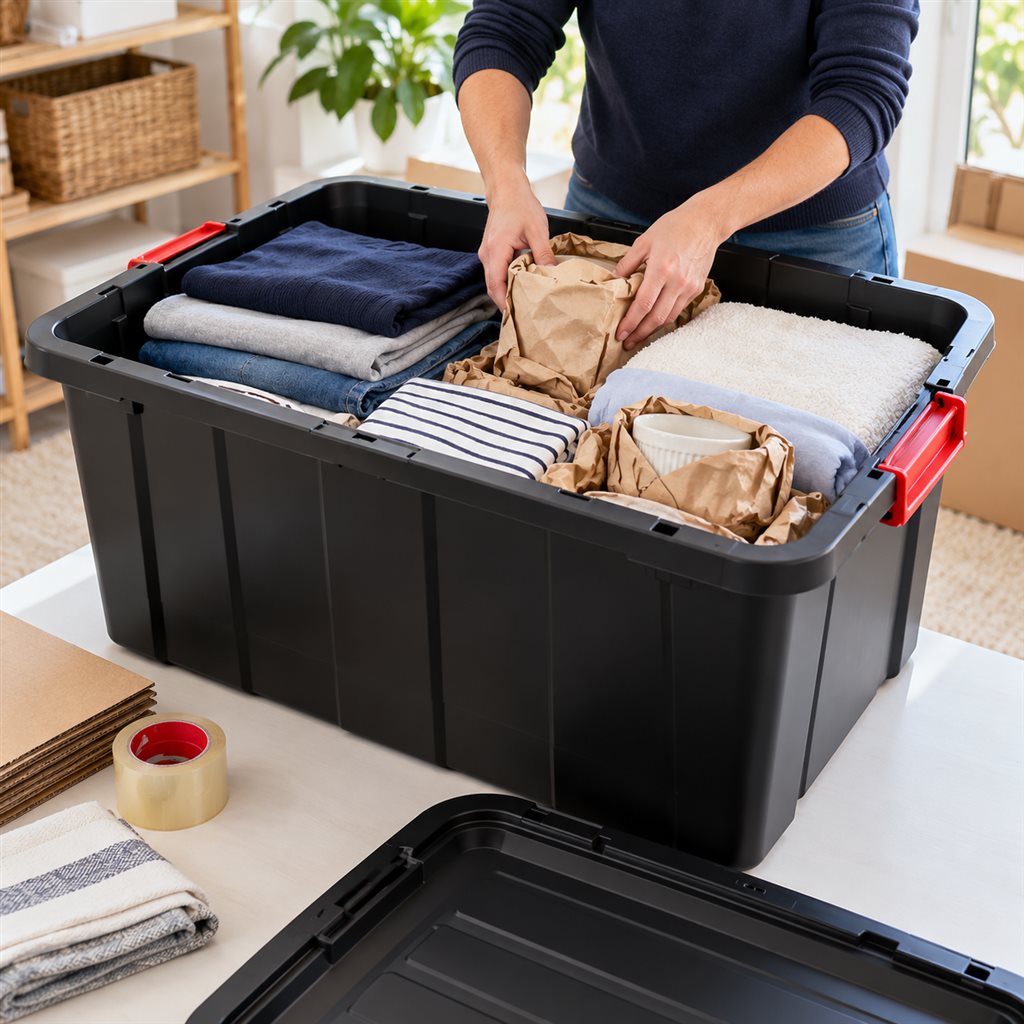

Shipping From Australia to Kenya
Monthly sea freight, air as needed, delivered to the selected destination city.
See the service