By sea, allow around 6 to 8 weeks to the destination city for Kenya, 6 to 9 weeks for Tanzania and 8 to 10 weeks for Uganda, counted from the day the ship leaves Perth. By air, it is usually 5 to 10 days for Kenya and 7 to 12 days for Tanzania and Uganda. This guide explains where that time goes, and what you can do to avoid adding to it.
The most common surprise is not the voyage itself. It is the time before and after it: waiting for the next monthly sailing, and clearing customs at the other end. Plan for both and the timeline becomes predictable.
Transit times at a glance
| Destination | Sea arrives at | Sea transit estimate | Air transit estimate |
|---|---|---|---|
| Kenya | Mombasa | About 6–8 weeks | About 5–10 days |
| Tanzania | Dar es Salaam | About 6–9 weeks | About 7–12 days |
| Uganda | Mombasa, then by road | About 8–10 weeks | About 7–12 days |
These are estimates, counted from departure, and they include clearance and delivery at the destination. They are not guarantees, and the sections below explain what can move them.
Stage by stage: a sea freight shipment from Perth
1. Quote and booking
You tell us what you are sending and where. We come back with a price and the cut-off date for the next sailing. This is the stage you control most, so start early. Requesting a quote two or three weeks before you want to ship gives you time to pack without rushing.
2. Waiting for the monthly sailing
Sea freight leaves Perth once a month. If your boxes reach us the day after a cut-off, they wait for the next sailing. That wait can be anything from a few days to about four weeks, and it is the single biggest factor in when your cargo arrives. Ask us for the cut-off date and work backwards from it.
3. Drop-off or collection, then consolidation
You drop your cargo at our Canning Vale depot, or we collect it from your address anywhere in Australia. Cargo from interstate needs extra days to reach Perth, so allow for that if you are in Sydney, Melbourne or Brisbane. At the depot, your goods are checked, recorded and loaded with other customers' cargo.
4. Export clearance in Australia
Our team prepares the Australian export paperwork. For most household shipments this is routine. Goods worth more than AUD 2,000, or goods that need an export permit, need an export declaration to the Australian Border Force, while unaccompanied personal effects are exempt. We handle this as part of the job.
5. Sailing from Fremantle
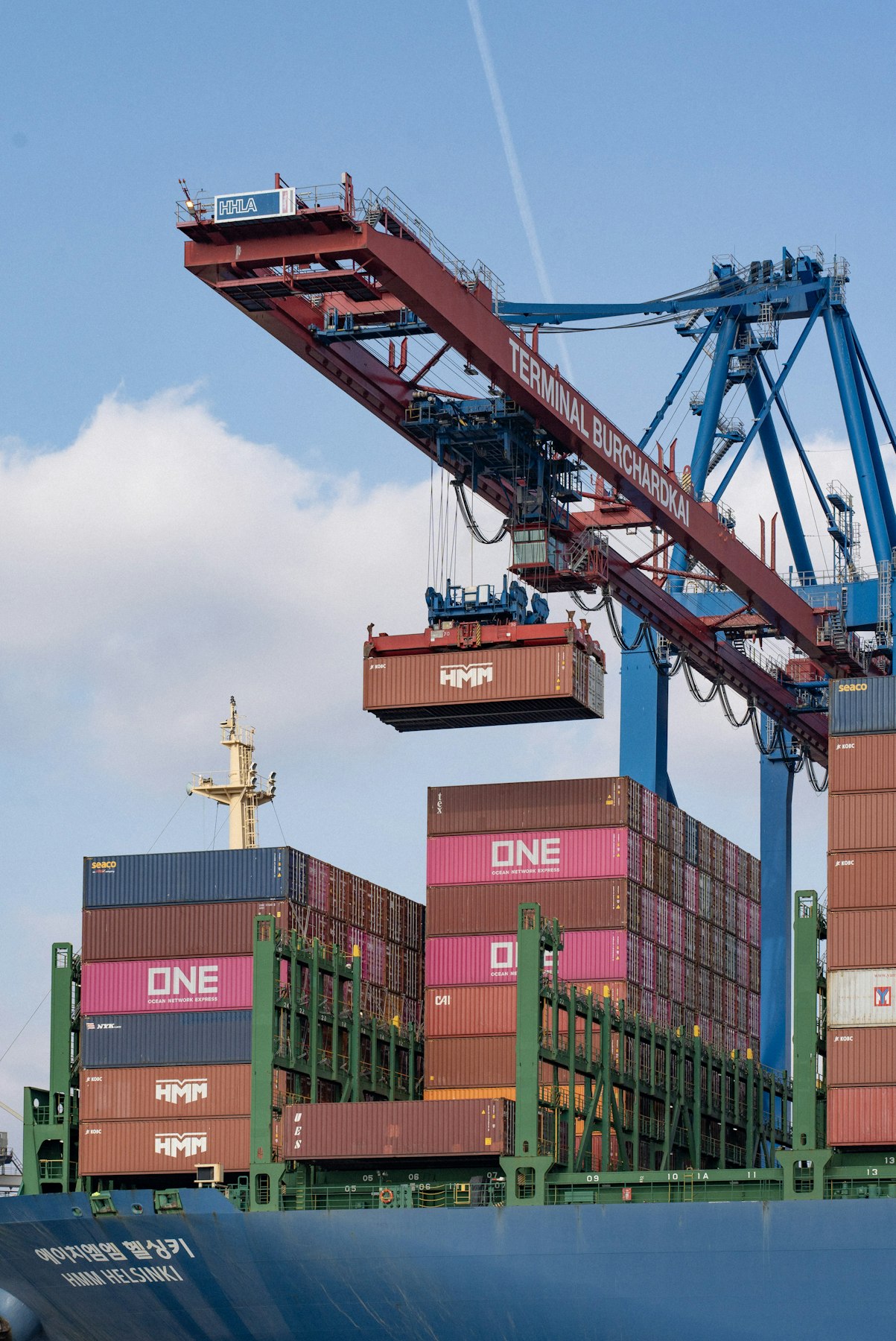
The container leaves from Fremantle, which handles more than 99% of Western Australia's container trade. From here the ship heads across the Indian Ocean to East Africa. You get an update, and you can follow progress on our tracking page.
6. Arrival and clearance at the destination
Cargo for Kenya arrives at Mombasa and cargo for Tanzania at Dar es Salaam. Our team manages customs clearance there. This is the stage where incomplete paperwork, vague contents lists or prohibited items cause delays, which is why an honest, detailed packing list matters so much.
7. Inland transport and delivery to the selected destination city
Once cleared, the cargo is delivered to the selected destination city. For Uganda, the extra time comes from this stage: Uganda is landlocked, so sea cargo lands at Mombasa and travels inland by road along the Northern Corridor to Kampala. That is why Uganda's sea estimate is a couple of weeks longer than Kenya's.
When is the next sailing?
Ask us for the next cut-off date and we will tell you which sailing your cargo will make.
How air freight timing works
Air freight is not on a monthly schedule. We book it as you need it, so there is no waiting for a sailing. Most of the 5 to 12 days is spent on getting a flight booked, export and import clearance, and handling and onward transport to the selected destination city, rather than the flight itself. Air is the right choice when timing matters more than cost. Our guide to choosing between sea and air explains the trade-off, including which household items cannot fly.
What causes delays
- Missing the cut-off. The most common one. Missing it by a day can mean a month's wait.
- Incomplete or vague paperwork. A contents list that says "household items" invites questions. Specific lists with honest values clear faster.
- Prohibited or restricted items. One banned item can hold up a whole box, or a whole consignment, while it is inspected. Check our prohibited items guide before you pack.
- Wrong consignee details. An out-of-date phone number at the destination is one of the main reasons deliveries stall at the last step.
- Port congestion and weather. Outside anyone's control, and the reason every estimate is a range.
- Public holidays. Holidays in Australia and at the destination slow down clearance. Busy periods such as the weeks before Christmas fill up early.
How to keep your shipment on time
- Book early and ask for the cut-off date before you start packing.
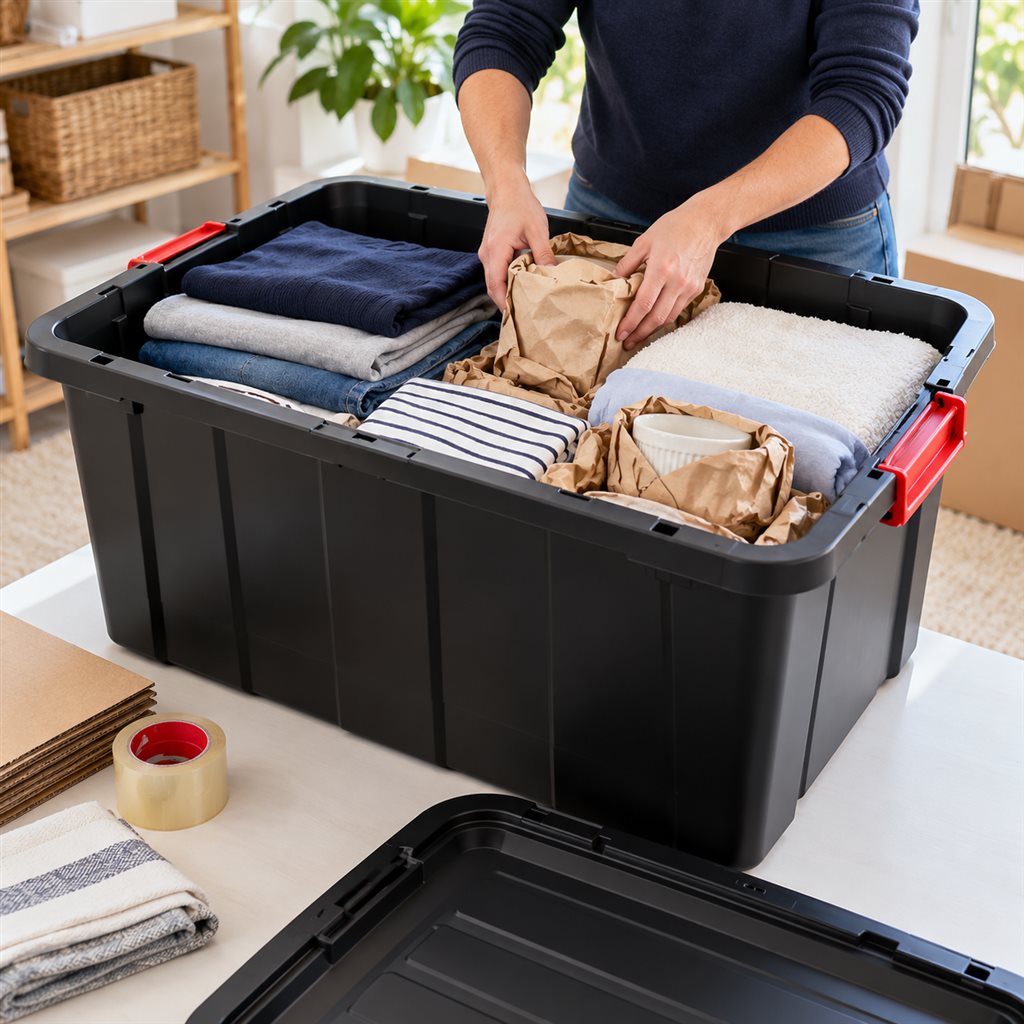
- Pack properly, following our packing guide, so nothing needs repacking at the depot.
- Write a detailed contents list with realistic values for every box.
- Confirm the consignee's name, address and working phone number before the cargo leaves Perth.
- Leave anything you are unsure about out, or ask us first.
- Check progress on the tracking page rather than guessing, and tell the consignee to expect our call.
Every BenCal shipment includes shipping to our destination cities, customs clearance by our team and regular updates along the way, so you are never left wondering where your cargo is.
Export declaration rules were checked in October 2026 against the Australian Border Force. The Fremantle figure is from the WA Government's Westport program, and the Northern Corridor route is described by the Northern Corridor Transit and Transport Coordination Authority. Transit times are BenCal's estimates and can change.
Related reading