For most people sending goods from Australia to Kenya, Tanzania or Uganda, sea freight is the right answer: it costs far less and carries almost anything. Air freight earns its higher price when the goods are small, urgent or perishable. Here is how to tell which one you need.
At BenCal, sea freight leaves Perth once a month and air freight is booked as you need it. Both include customs clearance by our team and delivery to the selected destination city. The difference is cost, speed and what each is allowed to carry.
The short answer
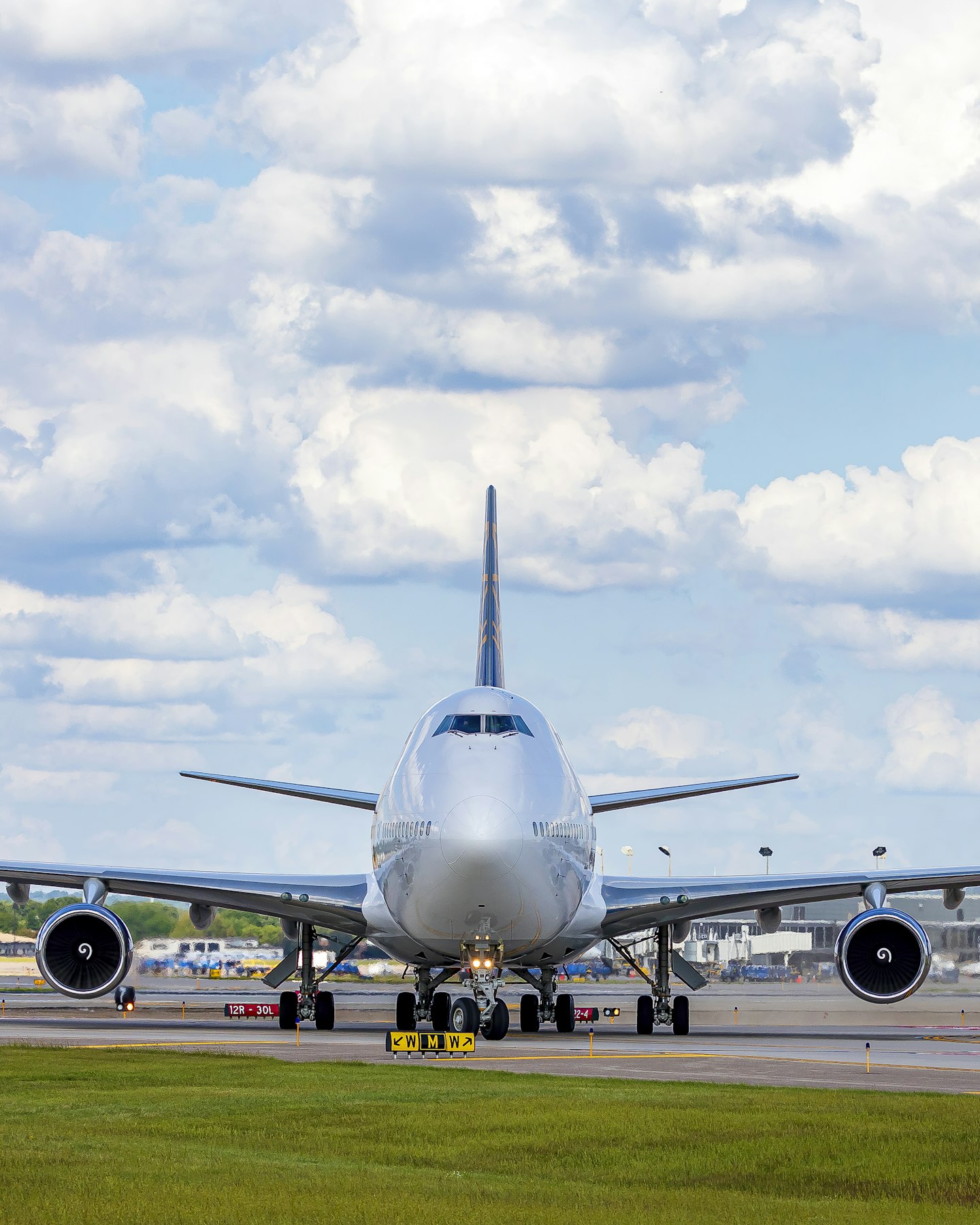
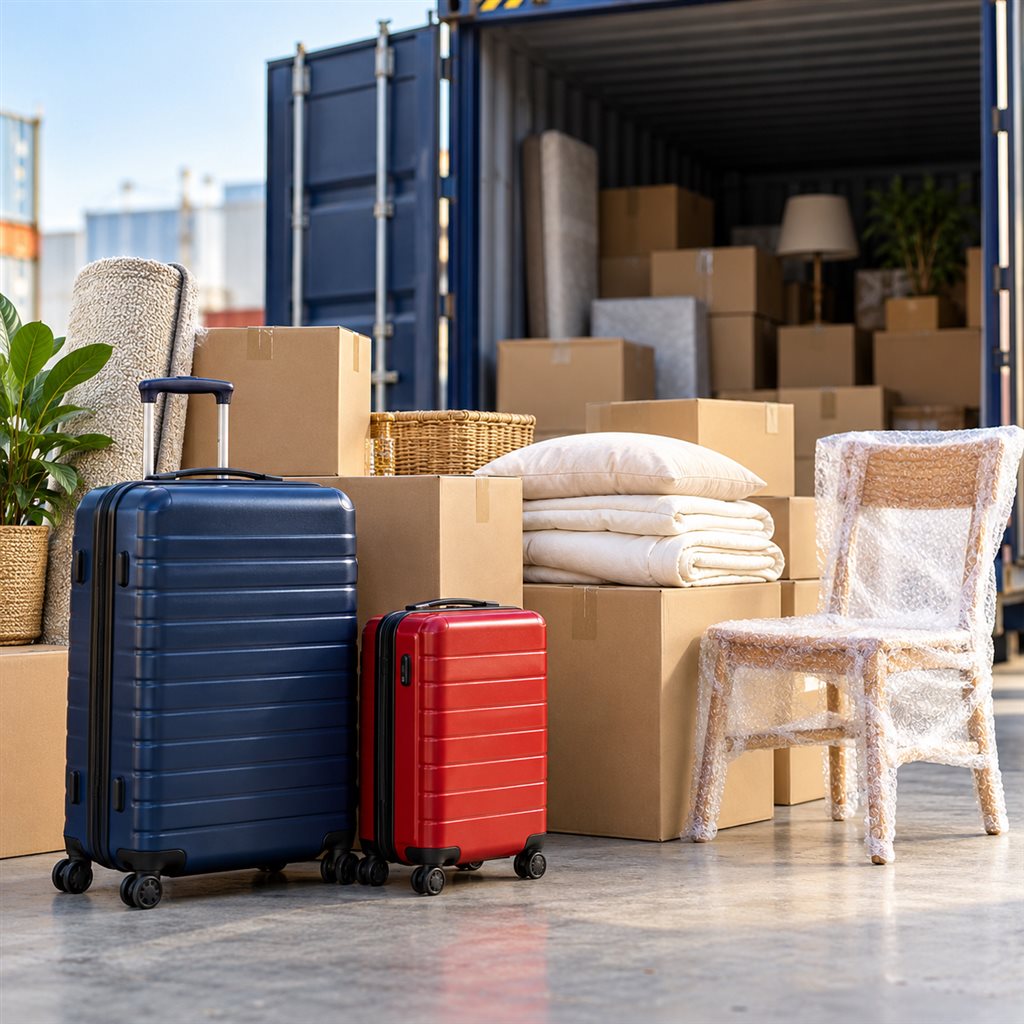
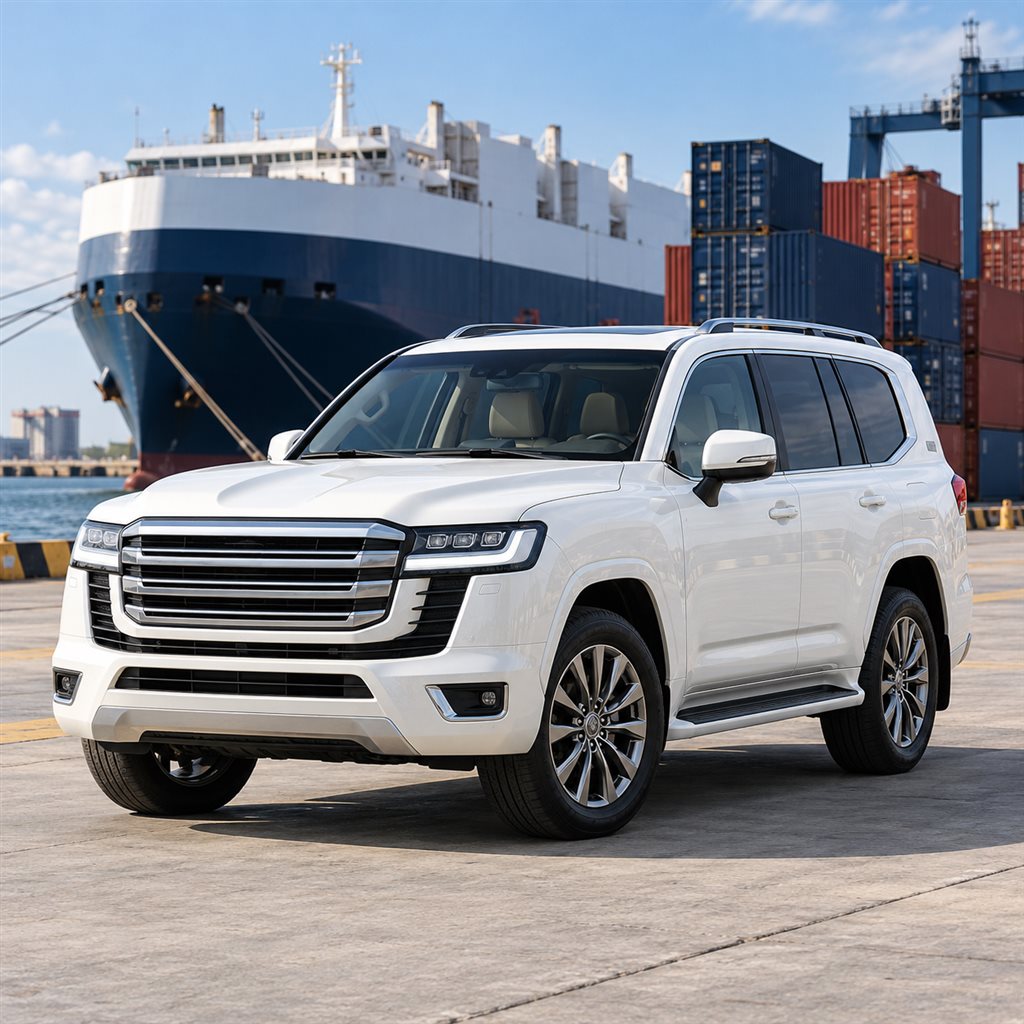
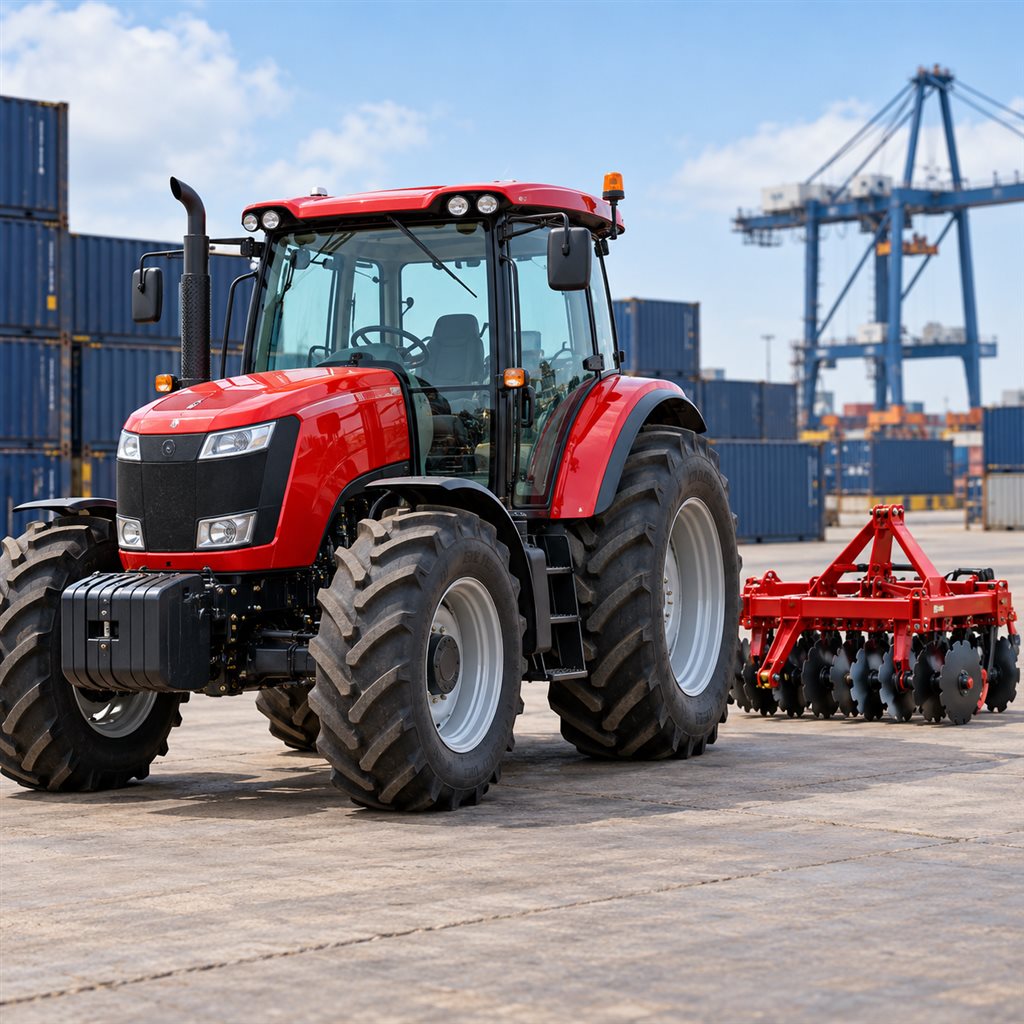
Choose sea freight if you are sending boxes, furniture, appliances, a vehicle or machinery, and the goods can wait six to ten weeks. Choose air freight if you are sending something small that needs to be there within one to two weeks, such as documents, medicine that is allowed to travel, a replacement part or perishable goods.
If you are unsure, ask yourself one question: would waiting two months cost you more than the extra price of flying it? If not, send it by sea.
Sea freight and air freight compared
| Sea freight | Air freight | |
|---|---|---|
| How often | One sailing from Perth every month | Booked as needed |
| Kenya | About 6–8 weeks | About 5–10 days |
| Dar es Salaam, Tanzania | About 6–9 weeks | About 7–12 days |
| Kampala, Uganda | About 8–10 weeks | About 7–12 days |
| Best for | Boxes, furniture, appliances, vehicles, machinery, whole household moves | Small, urgent, valuable or perishable items |
| How it is priced | Mainly on the space your goods take up. Boxes from $220 each | On weight and size, so bulky items cost more |
| Restrictions | Fewer. Most household goods can go | More. Many common household items are dangerous goods on aircraft |
Transit times are estimates counted from departure, and include clearance and delivery at the other end. Sea freight times do not include the wait for the next monthly sailing, so the day you hand over your cargo matters. Our guide to how long shipping to East Africa takes breaks the journey down stage by stage.
Why sea freight costs so much less
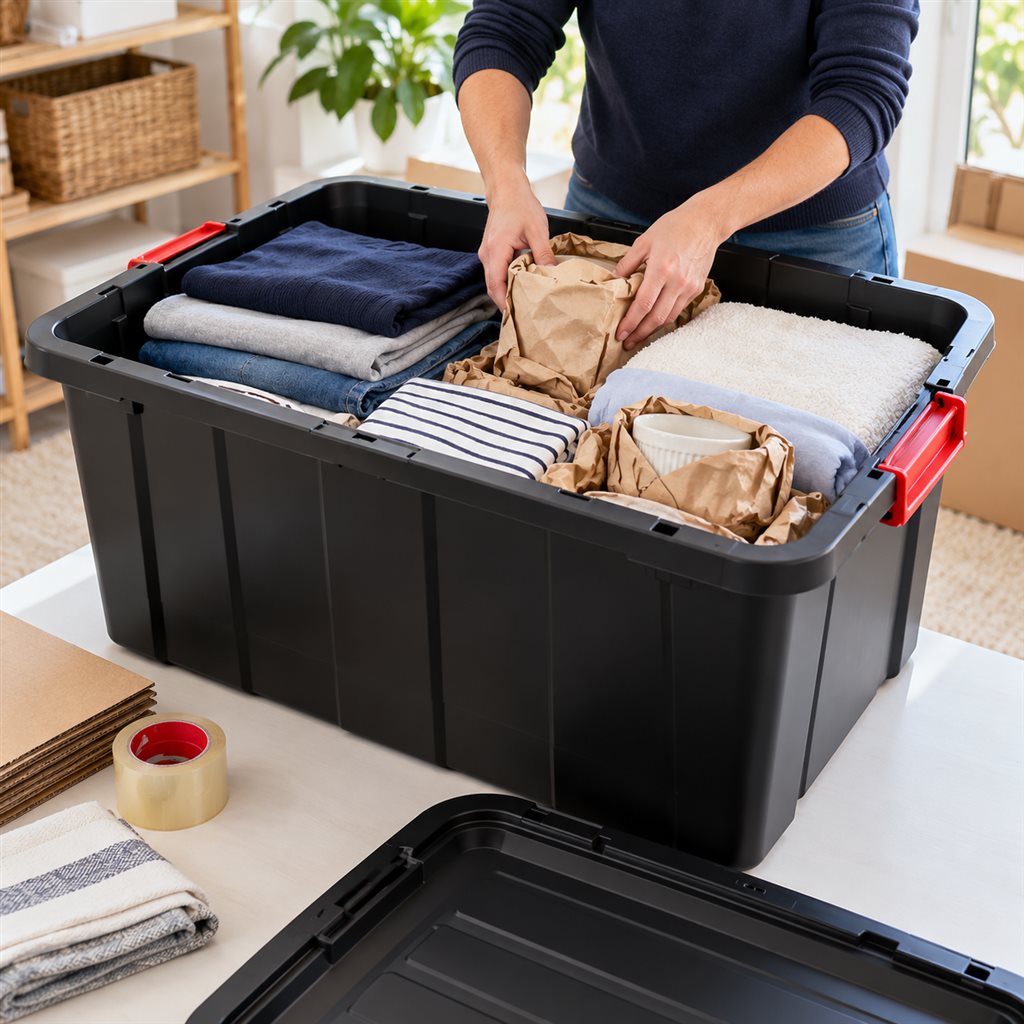
A ship carries thousands of containers at once, and BenCal fills each container with many customers' cargo. You pay for the space your goods take up in that container, not for a whole aircraft hold. That is why a Bunnings 150L box can travel from Perth to Nairobi from $220, and why furniture and appliances only really make sense by sea.
If you have a lot to send, a full container of your own may work out better than paying box by box. For a few boxes or a handful of items, a shared container is the economical choice.
Why air freight costs more, and when it is worth it
Air cargo is priced on weight and on size. A light but bulky item, such as a pillow or an empty suitcase, can cost as much to fly as something small and heavy, because it takes up space on the aircraft. That makes air freight poor value for household goods, and good value for small, dense, urgent items.
Air freight is worth it when:
- the goods are needed for a date, such as a wedding, a funeral or the start of a school term
- the goods are perishable and would not survive two months at sea
- a business is waiting on a part, and every week without it costs money
- the item is small and valuable, and you want it in transit for as short a time as possible
Not sure which suits your shipment?
Tell us what you are sending and we will quote sea and air so you can compare.
What cannot go by air
This is the part that catches people out. Plenty of everyday household items are classed as dangerous goods on aircraft. They are restricted or forbidden in air cargo, and must never be packed without being declared. Common examples include:
- lithium batteries and power banks
- aerosols, such as deodorant, hairspray and spray paint
- perfume and other flammable liquids
- paint, lighters, compressed gas and camping gas
- petrol-powered engines and machinery
- some cleaning products and pesticides
Lithium batteries have tightened further. Since 1 January 2026, loose lithium-ion batteries that are not packed with or inside equipment can only travel on cargo aircraft, and lithium-ion batteries packed with equipment must be at no more than 30% charge. If your shipment includes anything with a battery, tell us when you book.
Sea freight has rules too. Destination countries ban some goods whichever way they travel, such as plastic carrier bags in Kenya and Tanzania, and used fridges, TVs and computers on Uganda's prohibited list. See our prohibited items guide before you pack.
Can you split a shipment between sea and air?
Yes, and it is often the smartest option. Send the bulk of your goods by sea on the monthly sailing, and fly the few things that are needed straight away. People moving home often do this: clothes, documents and essentials go by air, and the furniture, appliances and kitchen follow by sea.
A simple decision test
- Is it a vehicle, machinery, furniture or an appliance? Sea. These are not practical to fly.
- Does it contain a battery, fuel, gas or an aerosol? Sea is usually the only option, and some items cannot be shipped at all. Ask us.
- Is it needed within two weeks, or will it spoil? Air.
- Everything else? Sea, unless the cost of waiting is higher than the cost of flying.
Whichever you choose, BenCal handles the export paperwork, customs clearance at the destination and delivery to the selected destination city, with regular updates and online tracking. See our sea freight and air freight services for the details.
Dangerous goods information in this guide was checked in October 2026 against IATA's lithium battery guidance for the 2026 regulations and IATA dangerous goods guidance. Destination rules were checked against the Uganda Revenue Authority, NEMA Kenya and the Tanzania Revenue Authority. Rules change, so we confirm the current position for your shipment before you book.
Related reading

How Long Does Shipping to East Africa Take?
A realistic timeline from quote to the selected destination city.
Read the guide