What Can I Ship to Kenya From Australia, and What Is Prohibited?
Most household goods and personal effects can go. We do not ship forbidden items, and three sets of rules decide what is forbidden: Australia’s export controls, the import bans in Kenya, Tanzania and Uganda, and dangerous goods rules for air freight. Here are the main ones.

Prohibited Items When Shipping to East Africa
An item has to pass all three layers to ship. If it fails any one of them, we do not accept it.
Leaving Australia: export controls
Australia controls the export of these goods. We do not accept them in our shipments.
Arriving in Kenya, Tanzania or Uganda: import bans
Each country keeps its own list of goods it will not let in. These are the ones most likely to turn up in a family shipment.
Sending tyres or wheels? Share the destination, tyre type and photos before buying or packing. Read our tyre and wheel guide.
Going by air: dangerous goods rules
Common household items that are dangerous goods on an aircraft. They are restricted or forbidden, and must never be packed in air cargo without being declared.
Since 1 January 2026, loose lithium-ion batteries, not packed with or inside equipment, can only travel on cargo aircraft, and lithium-ion batteries packed with equipment must be at no more than 30% charge. If any of the items above are in a sea freight shipment, tell us before you pack so we can confirm whether and how they can go. Choosing between the two? See air freight and sea freight.

Items to Check With Us Before You Pack Them
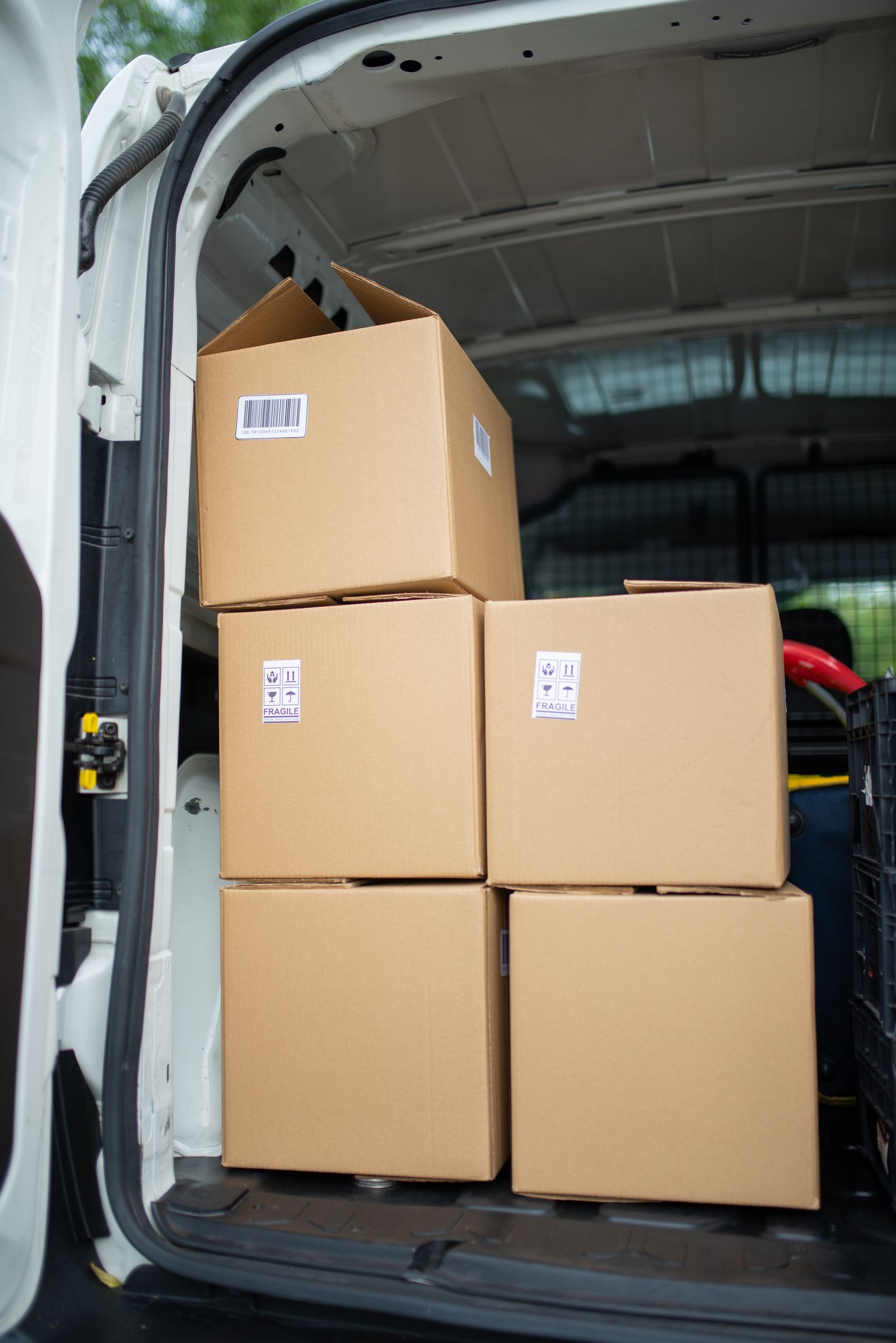
These are not banned outright, but each one depends on the destination, the item or how it travels. Ask before you pack and you will not have to unpack later.
Send us a photo or a description on WhatsApp. We confirm the current rules for your shipment before you book.
Used fridges, TVs and computers to Uganda
Uganda’s prohibited goods list includes used fridges, used televisions and used computers, laptops and monitors, with an exception for personal use once confirmed. They can be refused, so we check first. New appliances are treated differently.
Vehicles
Kenya, Tanzania and Uganda each have their own rules on vehicles, such as age, steering side and extra duty on older cars. We confirm the current rules for the specific vehicle before you buy or ship it.
Shipping vehicles and machineryAnything with a battery or fuel going by air
Phones, laptops, tools, toys, mowers and anything else with a battery, fuel or gas needs checking before it goes on a plane.
High-value items
Goods worth more than $2,000 generally need an Australian export declaration, which our team prepares. Personal effects sent unaccompanied are exempt. Optional cargo insurance is worth asking about too.
Honest Packing Lists Keep Your Cargo Moving
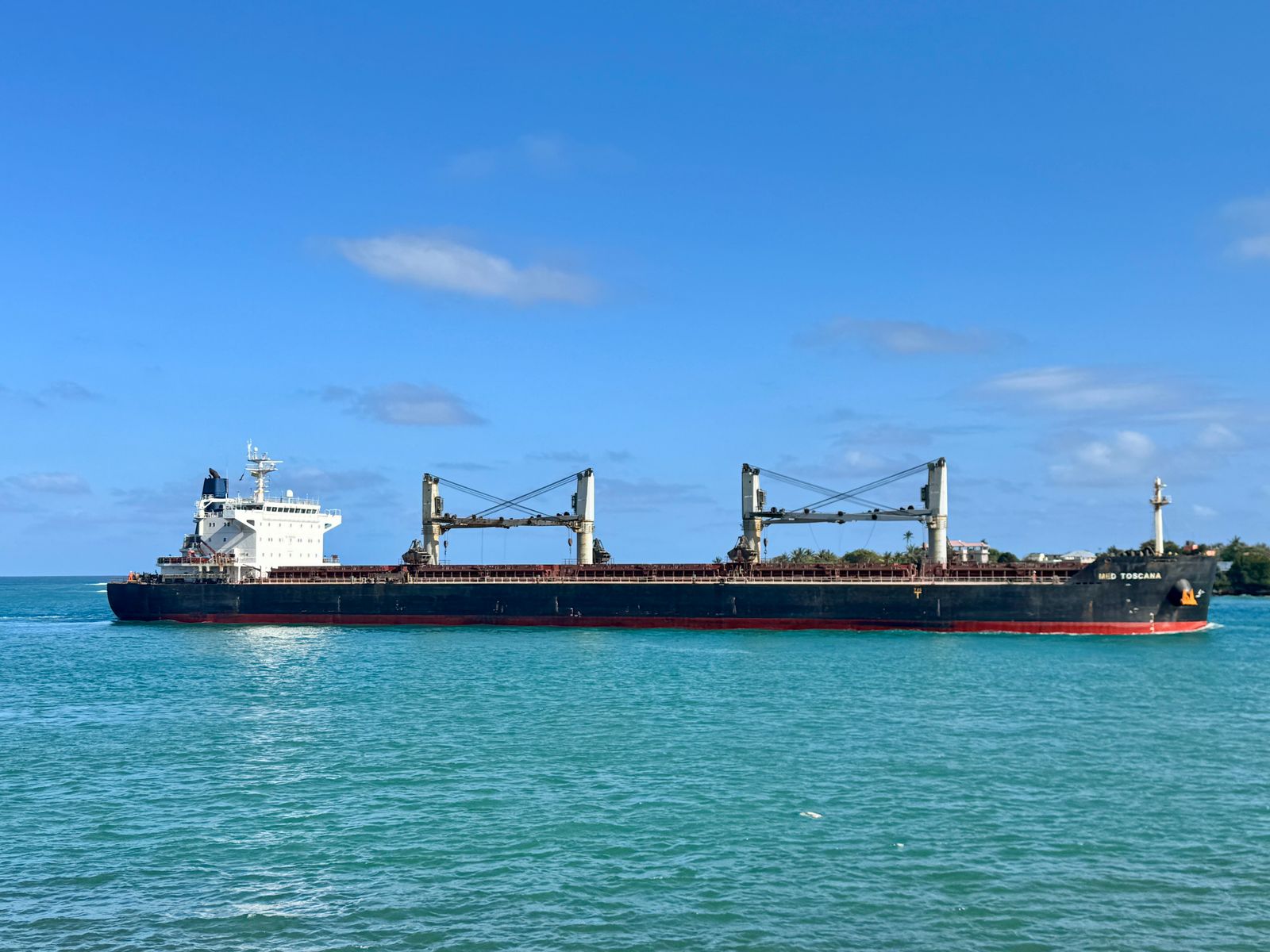
In a shared container, your boxes travel with other people’s cargo. A hidden or undeclared item can lead to an inspection that slows things down for everyone.
- List every item. Including the small things at the bottom of the box.
- Give real values. What the goods are actually worth, not a guess.
- Never hide one item inside another. A power bank in a shoe is still a power bank.
- Tell us about liquids, sprays and batteries. We will tell you how they can travel, or whether they can at all.
This list is a guide, not the full rulebook. It covers the items we are asked about most, not every rule in every country, and rules in East Africa change often. If you are unsure about anything, ask us before you pack.
What People Ask Before Packing for East Africa
Most household items, personal effects, vehicles and machinery. What you cannot send are goods Australia controls for export, goods Kenya bans from import, such as plastic carrier bags, counterfeit goods and used underwear, and dangerous goods by air. See shipping to Kenya.
Talk to us first. They are on Uganda’s prohibited goods list, with an exception for personal use once confirmed, and they can be refused. We check your situation before you pack.
Not without checking with us. Both are dangerous goods on aircraft and are restricted or forbidden. Never pack them in air cargo without declaring them.
Not plastic carrier bags for Kenya or Tanzania. Both countries ban them, so do not use them to pack or wrap anything going there.
No. It is a guide to the items that come up most, and the rules change. We confirm the current rules for your shipment before you book.
Check an Item Before You Pack It
Not sure whether something can go? Send us a photo or a short description and we will tell you whether it can ship, how, and what it will cost.